Flexographic printing remains the most widely used printing method for packaging and labels worldwide, thanks to its high speed, versatility, and cost efficiency. At the core of every successful print job is high-quality flexo ink that ensures consistent color, strong adhesion, and compliance with global safety standards.
This 2026 guide covers everything you need to know—from types of flexographic ink to applications, troubleshooting, and how to choose the best solution for your production line.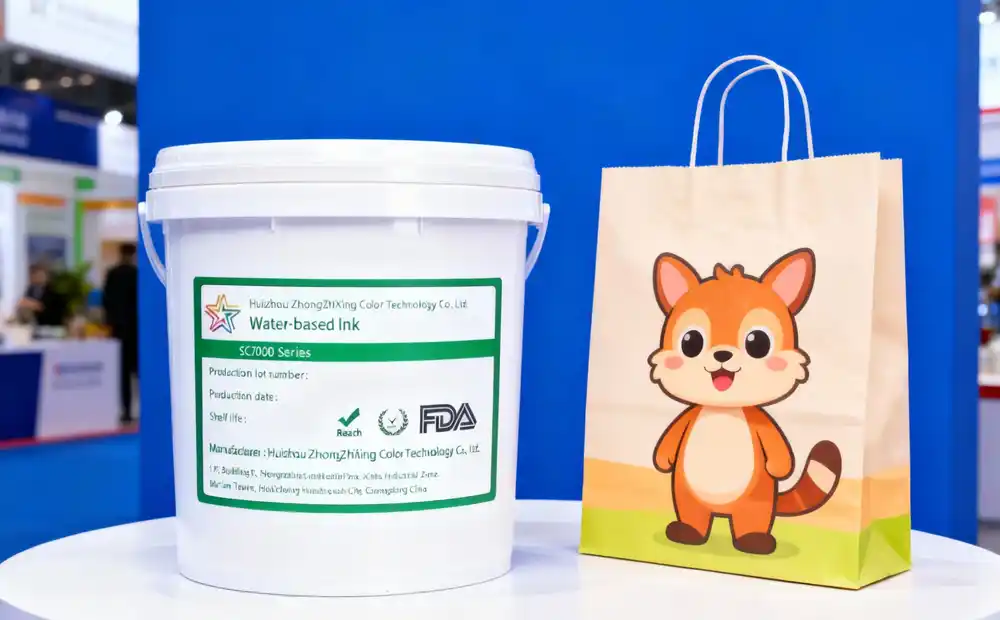
What Is Flexo Ink?
Flexo ink is a specialized printing ink designed for flexographic presses. It transfers efficiently from anilox rollers to substrates such as paper, plastic films, and foil.
- Fast drying performance
- Excellent fluidity
- Strong adhesion on various substrates
- Food packaging compliance
- Low VOC and eco-friendly formulations
3 Main Types of Flexo Ink (2026 Update)
1. Water-Based Flexo Ink
Best for: Paper, corrugated board, food packaging
- Low VOC, environmentally friendly
- Safe for food contact
- Cost-effective and easy to clean
Learn more: Water-Based Flexo Ink Solutions
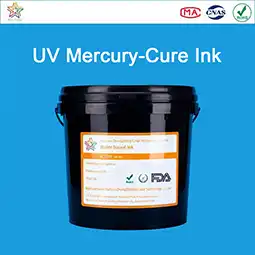
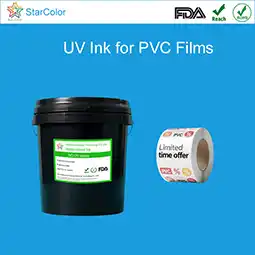
2. UV & LED-UV Flexo Ink
Best for: Labels, shrink sleeves, high-end packaging
- Instant curing
- High-definition printing
- No solvent emissions
3. Solvent-Based Flexo Ink
Best for: Flexible packaging and laminated films
- Strong adhesion
- Fast drying
- Being replaced by eco-friendly alternatives
Water-Based vs UV vs Solvent Flexo Ink
| Type | Drying Method | Eco-Friendly | Best Use |
|---|---|---|---|
| Water-Based | Evaporation | ★★★★★ | Food packaging, paper |
| UV Ink | UV curing | ★★★★☆ | Labels, premium packaging |
| Solvent Ink | Solvent evaporation | ★★☆☆☆ | Industrial packaging |
Best Flexo Ink for Food Packaging (2026)
For food packaging, choosing the right ink is critical. The best options include:
- Water-based flexo ink (low VOC, safe)
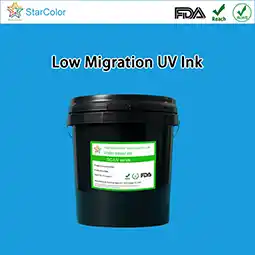
- Low migration UV ink
- Nitrocellulose-free formulations
These inks comply with global regulations such as FDA and EU standards and are designed to minimize contamination risks.
How to Choose the Right Flexo Ink
1. Substrate Material
- Paper → Water-based ink
- Plastic films → UV or high-adhesion ink
- Foil → Solvent or UV ink
2. Printing Speed
- High-speed → UV or fast-drying water-based ink
- Medium-speed → Standard water-based ink
3. End Use
- Food packaging → Low migration ink
- Frozen packaging → Cold-resistant ink
- Retort packaging → Heat-resistant ink (150–180°C)
Common Flexo Ink Problems & Solutions
- Poor adhesion: Use corona treatment or high-adhesion ink
- Color inconsistency: Control viscosity and drying conditions
- Smudging: Optimize drying system
- Fading: Use high-quality pigments
2026 Flexo Ink Trends
- Water-based ink dominates global installations
- Low migration ink becomes mandatory
- LED-UV adoption increases
- Smart ink control systems emerge
Flexo Ink Printing Video Demo
Watch how flexo ink performs in real packaging printing applications:
Why Choose StarColor Flexo Ink?
- Food-grade water-based flexo ink
- High adhesion for BOPP, PE, PET
- UV & LED flexo ink for labels
- Heat-resistant & low-migration solutions
- Pantone color matching support
Explore more: Flexo Ink for Packaging
Conclusion
Flexo ink is the foundation of high-quality packaging and label printing. In 2026, the industry is rapidly shifting toward eco-friendly, food-safe, and high-performance ink solutions.
Choosing the right ink improves print quality, reduces waste, and ensures compliance with global regulations.
Contact StarColor
Looking for the best flexo ink for your application?
Contact us today for:
- Free technical consultation
- Custom ink formulation
- Pantone color matching