RU
RU EN
EN CN
CN


The Southeast Asian snack market continues to expand rapidly, with strong demand in Thailand, Malaysia, and Indonesia. As French fry brands grow, packaging quality and safety have become critical, especially for food-contact items such as paper fry boxes.
A regional packaging printing company serving these three markets faced multiple challenges in compliance, print quality, and production efficiency. After switching to StarColor food-grade water-based flexo ink, the company significantly improved performance and strengthened its market position.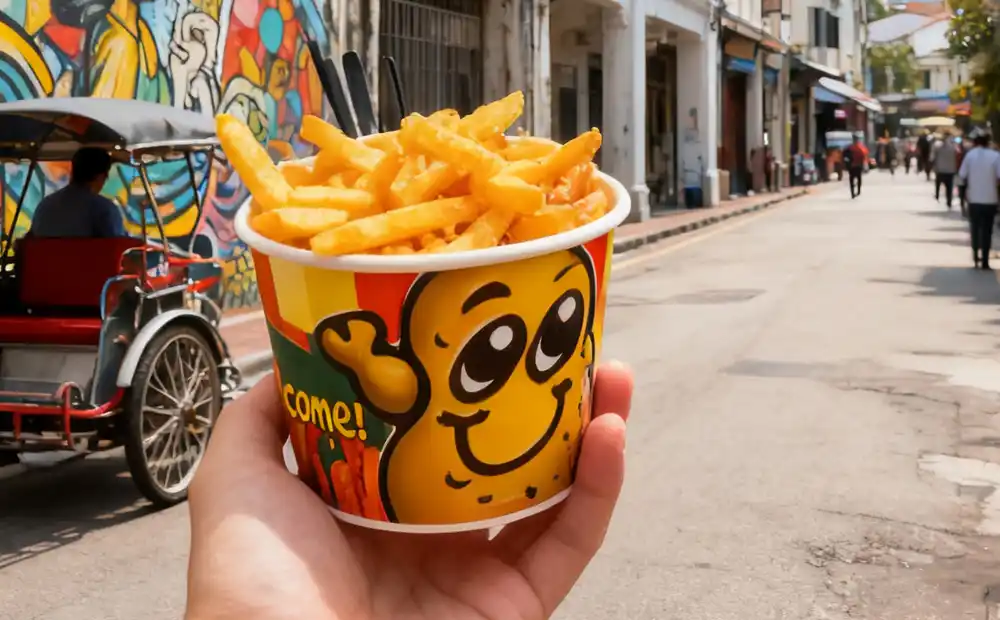
Challenges in French Fry Box Printing
1. Complex Compliance Requirements
Each country has strict and slightly different regulations for food packaging. These include limits on VOC emissions, heavy metals, and food-contact safety standards.
Traditional solvent-based inks failed to meet these requirements due to the presence of harmful substances such as benzene and ketones, leading to failed inspections and shipment delays.
2. Unstable Print Quality in Humid Climate
Hot and humid conditions in Southeast Asia caused slow drying, weak adhesion, and frequent defects such as smudging and color fading. Waste rates exceeded 8% in some cases.
In addition, diverse brand designs required both high color accuracy and consistent fine details, which conventional inks struggled to deliver.
3. Low Efficiency and High Operating Costs
Solvent-based inks required costly exhaust treatment systems and still suffered from slow drying speeds, limiting printing efficiency and increasing labor and downtime costs.
Solution: StarColor Food-Grade Water-Based Ink
1. Full Compliance Across Markets
StarColor ink uses water as the primary solvent and contains no benzene, ketones, or heavy metals such as lead, mercury, or cadmium.
VOC content is controlled at ≤5%, meeting environmental requirements across Southeast Asia. The ink complies with international standards including FDA, REACH, and SGS, making it suitable for food packaging applications.
This eliminated compliance risks and ensured smooth market entry without customs delays.
2. Stable Quality in Tropical Conditions
The optimized formulation significantly improves drying performance. Under typical conditions (25°C, 50% humidity), surface drying time is reduced to approximately 8 minutes.
- Adhesion reaches less than 5% peeling in cross-cut testing
- Waste rate reduced from over 8% to below 2%
- Color reproduction exceeds 90%
- UV resistance: ΔE < 1.5 after 300 hours
The ink maintains consistent performance even under high humidity, ensuring sharp graphics and stable brand presentation.
3. Higher Efficiency and Lower Cost
StarColor ink supports high-speed flexographic printing up to 400 m/min, improving production efficiency by over 30%.
- No need for expensive exhaust treatment systems
- Non-corrosive formula extends equipment lifespan
- Easy cleaning with water reduces downtime
Overall operational costs were reduced by approximately 15–20%, including savings in maintenance, energy, and material waste.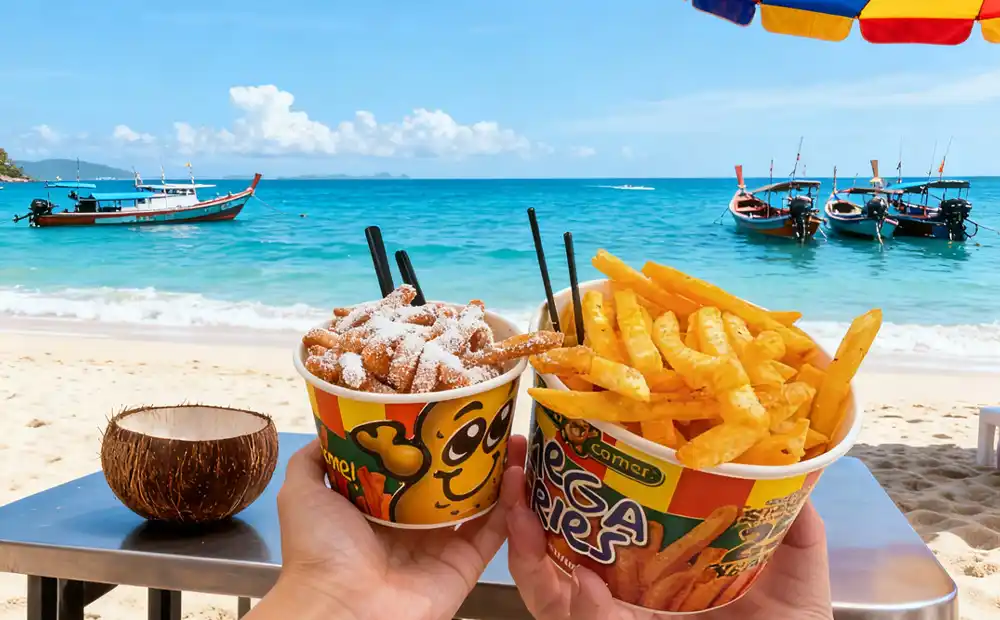
Results
After adopting StarColor water-based ink, the printing company achieved significant improvements:
- Order volume increased by over 40%
- Consistent compliance across Thailand, Malaysia, and Indonesia
- Improved print quality and brand recognition
- Higher production efficiency and lower defect rates
The company has since established a long-term partnership with StarColor, continuing to expand its presence in the Southeast Asian food packaging market.
Conclusion
In the competitive Southeast Asian snack packaging industry, compliance, quality, and efficiency are critical success factors.
StarColor food-grade water-based flexo ink provides a reliable solution by combining environmental safety, stable performance, and cost efficiency—making it an ideal choice for modern food packaging printers.