Printing on nonwoven fabric + aluminum foil composite honeycomb blinds is one of the most challenging applications in the window covering industry. Manufacturers often struggle with poor ink adhesion, UV fading, and heat resistance issues.
This case study explains how a leading blinds manufacturer improved product quality, reduced defects, and expanded into high-end markets by using StarColor water-based flexographic ink.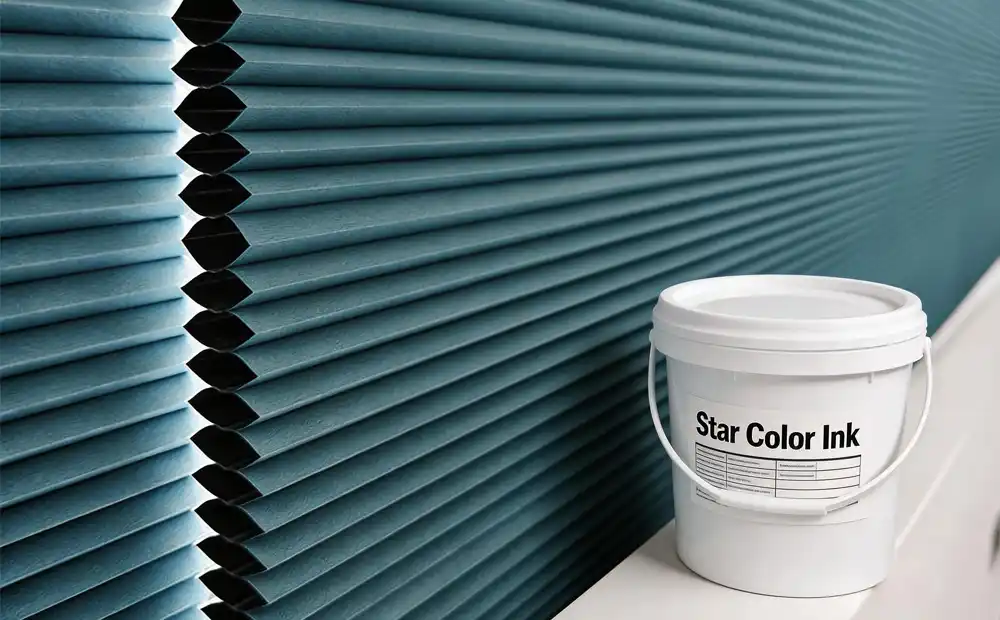
Why Printing on Aluminum Foil Honeycomb Blinds Is Difficult
1. Low Adhesion on Aluminum Foil
Aluminum foil has a smooth surface and low surface energy, making it difficult for standard inks to bond properly. This leads to peeling, scratching, and contamination during folding and daily use.
2. Uneven Ink Absorption on Nonwoven Fabric
The nonwoven layer absorbs ink quickly, causing bleeding, uneven color distribution, and poor print clarity.
3. UV Exposure Causes Fading
Blinds installed in sunrooms and large windows are exposed to strong sunlight. Conventional inks fade within 3–6 months due to UV degradation.
4. High Temperature Causes Ink Failure
Surface temperatures can reach 50–60°C, causing standard inks to soften, become sticky, or even melt.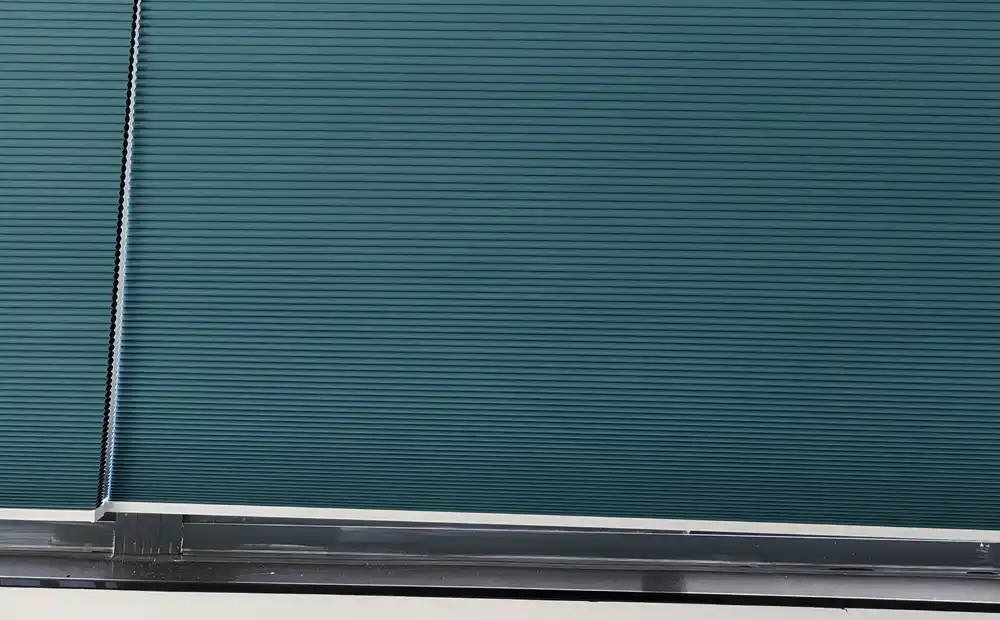
Solution: StarColor Water-Based Flexo Ink
1. Strong Adhesion on Composite Materials
Using modified acrylic resin technology, StarColor ink delivers excellent adhesion on both aluminum foil and nonwoven substrates.
- Cross-cut test: <2% peeling
- Defect rate reduced from 13% to <2%
- Sharp dots and uniform color
2. Superior UV Resistance
The ink uses high lightfast pigments and UV stabilizers, achieving:
- Lightfastness: Grade 7+
- 1200-hour xenon test
- ΔE < 1.2
3. Heat Resistance up to 85°C
Even under extreme conditions:
- No deformation at 60°C (96h test)
- No peeling near 70°C heat source
4. Eco-Friendly & Low VOC
As a water-based ink, it offers:
- VOC ≤ 4%
- No benzene or heavy metals
- Compliant with EU & US regulations
Results: From Production Issues to Market Growth
- Product lifespan extended to 4–6 years
- Production efficiency increased by 40%+
- Annual cost reduced by ~20%
- Order volume increased by 50%+
Conclusion
Choosing the right water-based flexo ink for aluminum foil and nonwoven fabric is critical for achieving durability, aesthetics, and environmental compliance.
StarColor provides a proven solution for honeycomb blinds printing, combining strong adhesion, UV resistance, and high-temperature stability—helping manufacturers compete in premium markets.
Looking for a Reliable Ink Solution?
Contact StarColor today to get customized water-based flexo ink solutions for your honeycomb blinds and composite material printing projects.
FAQ: Honeycomb Blinds Printing Ink
What is the best ink for honeycomb blinds printing?
Water-based flexo ink with strong adhesion, UV resistance, and heat resistance is the best choice, especially for nonwoven aluminum composite materials.
How do you improve ink adhesion on aluminum foil?
Using modified acrylic resin-based inks and proper surface treatment can significantly improve adhesion and prevent peeling.
Why does ink fade on window blinds?
UV exposure breaks down pigments in standard inks. Using high lightfast pigments and UV stabilizers prevents fading.
What temperature can water-based flexo ink withstand?
High-performance formulations like StarColor can withstand temperatures up to 85°C without softening or peeling.
Is water-based ink environmentally friendly?
Yes, it has low VOC emissions, contains no harmful solvents, and meets international environmental standards.