RU
RU EN
EN CN
CN


Most printing factories only review data sheets when purchasing water-based flexo inks for PE and PP films, while ignoring mass production compatibility. Conventional ink selection fails to resolve recurring on-site defects: perfect print on startup yet blocking after rewinding, ink delamination under low temperature, re-solubilization during lamination, batch-to-batch color deviation, anilox clogging in high humidity, and ink peeling after corona decay, along with other hidden mass-production risks.
This article is compiled based on frontline mass-production experience in flexible packaging flexographic printing. It focuses on ink formula screening, process matching logic, failure root cause analysis, rigid selection criteria, and targeted material selection for different application scenarios. It delivers actionable reference standards for printing plant process technicians, ink procurement specialists and production QC supervisors, completely eliminating the common industry headache of qualified lab samples yet defective bulk runs.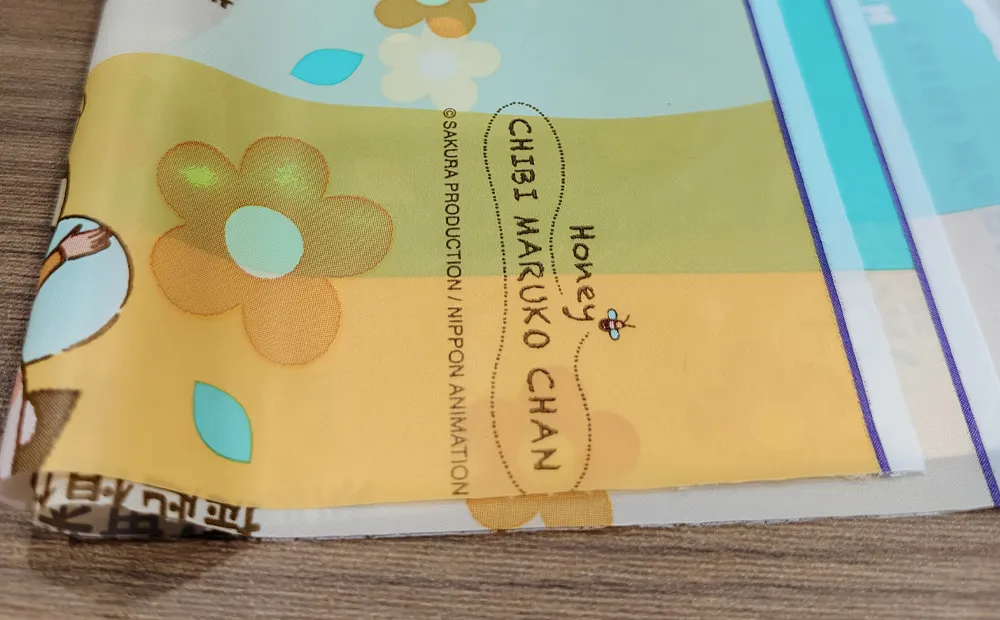
1. Core Underlying Logic
A widespread industry misconception holds that PE and PP both belong to polyolefins, so their printing inks are interchangeable. In actual mass production, however, the two require entirely different formula systems, and improper mixing of inks is the root cause of most hidden printing failures.
Core Selection Logic for PE Film
PE film features soft texture, poor heat resistance, inherent slip agent precipitation and highly inert surface. Water-based flexo inks dedicated to PE must adopt high-flexibility modified polyurethane resin as the primary binder, paired with slow-evaporating food-grade auxiliary agents. Formulas consisting solely of pure acrylic resin may pass cross-hatch adhesion tests temporarily, yet the ink layer will crack and peel off in bulk once subjected to rewinding compression, cold storage or vibration during transportation.
Core Selection Logic for PP Film
PP film has high surface crystallinity, difficult corona activation and extremely fast surface energy attenuation. PP-specific inks must incorporate polyolefin interfacial activation monomers to achieve chemical anchoring on substrates. Even with qualified corona treatment values, ordinary PE inks printed on PP will suffer delayed ink peeling and wipe-off failure 24 hours post-production.
Practical Conclusion: No universal water-based flexo ink works for both PE and PP. Separate ink grades are mandatory for mass production, which resolves 80% of all ink delamination issues.
2. Prioritize On-Site Performance Over Test Reports
All ink suppliers can provide qualified test reports and cross-hatch compliant lab samples, yet ink peeling still occurs during mass production. The root cause lies in overlooked hidden substrate interferences, which are the most neglected criteria during ink procurement.
2.1 Compatibility with Slip Agent Precipitation (High-Frequency Defect)
Low-end inks only rely on physical adhesion via corona treatment and cannot counteract migrating slip agents and anti-block additives from films. A typical production phenomenon: zero peeling within the first 2 hours of printing, yet partial ink floating and delamination gradually emerge after 4 hours of continuous running as additives keep precipitating onto the film surface.
Rigid Selection Standard: Choose anti-precipitation ink formulas equipped with interfacial penetrating components that penetrate the surface additive layer to form deep anchoring, compatible with PE & PP films with high slip-agent loading.
2.2 Tolerance Against Corona Decay (Hidden Common Defect)
Most factories maintain a corona value of 45 dyn/cm at startup, which drops to 36 dyn/cm after a 2-hour shutdown, directly causing delamination when using general-purpose inks. High-performance production-grade inks do not rely on ultra-high corona values and feature low-surface-energy tolerance, maintaining stable adhesion within 38–42 dyn/cm to accommodate unstable corona conditions on workshop floors.
2.3 Low-Temperature Adhesion Stability
Ordinary inks pass room-temperature adhesion tests but crack and peel after freezing or refrigeration due to ink layer shrinkage. For frozen food packaging applications, inks must undergo -18°C low-temperature peel resistance testing instead of mere ambient cross-hatch inspection.
3. Drying Performance & Anti-Blocking Properties
An industry-wide misunderstanding blindly pursues ultra-fast drying speed for inks. In real mass production, excessively fast surface drying paired with slow through-drying creates the largest source of waste.
Common flaw of cheap fast-drying inks: instant skin formation on the ink surface while trapping internal moisture, resulting in pseudo-dry ink films. Visual performance looks flawless right after printing, yet mass blocking, color offsetting and plate contamination occur 24–48 hours after rewinding, with defect rates doubling during humid rainy seasons.
Practical Factory Selection Standard: Prioritize gradient drying formulas with moderate surface drying and uniform through-evaporation to synchronize moisture volatilization on surface and inner layers and eliminate skin-locked moisture.
Applicable Parameter Requirements: Compatible with low-temperature flexo drying (≤75°C) without film shrinkage, whitening or post-rewind blocking, suitable for high-speed production lines running at 100–150 m/min.
4. Compatibility with Post-Processing Operations
Neglecting post-processing requirements during ink selection generates the highest production costs for printing plants. Distinct post-conversion processes demand exclusive ink formula systems; no one-size-fits-all grade exists.
4.1 Surface Printing Without Lamination
Key indicators: dry rub resistance, friction resistance and anti-precipitation performance to prevent scuffing and color loss during packaging transportation. High cross-linking formulas are unnecessary to balance cost and abrasion stability.
4.2 Dry & Solvent-Free Lamination Processes
General fast-drying inks are strictly prohibited. High-crosslinking re-solubilization-resistant lamination-grade inks are mandatory. Ordinary inks will swell, delaminate, blister and develop uneven color upon contact with adhesive solvents, leading to unqualified lamination strength and full batch scrapping.
4.3 Frozen Food Packaging
Select high-flexibility, low-temperature-resistant formulas to avoid ink layer cracking, flaking and peeling under cold conditions.
4.4 Retort Sterilization Packaging
High-temperature crosslinking ink systems are required. Conventional PE/PP inks decompose, migrate and fade under high heat and cannot pass retort testing.
5. On-Press Running Stability
Many printing factories mistakenly chase ultra-low viscosity for easier operation, which brings severe hidden risks. The viscosity and pH stability of PE & PP flexo inks directly determine batch color deviation, anilox clogging and dot reproduction quality.
Practical Selection Parameters
- Stable viscosity range: Adapted to standard flexo operating conditions, no water absorption, sedimentation or layer separation during long-run printing; zero anilox clogging and filamentation over 8 consecutive production hours.
- Stable pH window locked at 8.0–9.0: pH imbalance triggers pigment agglomeration, uneven color, weak tint strength and consistent batch color shift.
- Superior dot reproduction: Formulas optimized for classic flexo defects including dot gain and highlight dot drop-out, delivering solid full-tone coverage, transparent highlights, free of orange peel, white spots or mottling.
Critical Pitfall Reminder: Ultra-low-viscosity inks feature excessive fluidity, causing sagging and fuzzy edge outlines at high printing speeds. Although seemingly easy to run, they drastically lower finished product yield.
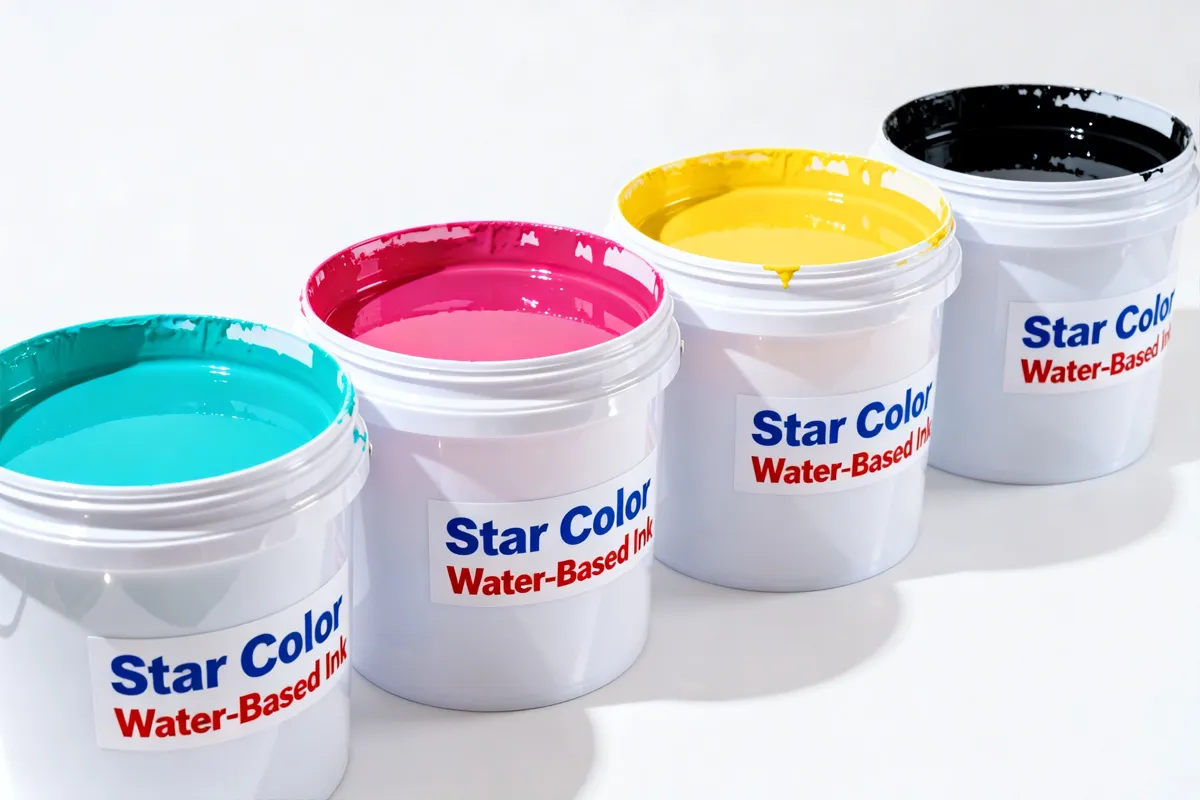
6. Practical Solution from Zhongzhixing (StarColor)
StarColor develops PE & PP water-based flexo inks without generic universal formulas. All grades are reverse-engineered based on recurring mass-production failures to target industry hidden pain points:
- Material-specific exclusive formulas: PE grades deliver flexibility & crack resistance; PP grades incorporate interfacial activators for strong anchoring, completely eliminating delamination caused by mismatched substrate ink.
- Anti-slip-agent-precipitation formula: Compatible with films with high additive loading to stop local ink peeling after long-hour continuous printing.
- Gradient drying technology: Resolves pseudo-dry blocking, high-humidity waste and limited high-speed line capacity.
- High-crosslinking re-solubilization-resistant system: Matches lamination processes and eliminates blistering, delamination and uneven color after compounding.
- Rigorous batch consistency control: Stable running performance over 8-hour shifts with zero batch color deviation, compatible with narrow & wide web flexo presses of all sizes.
- Mass-production-level compliance certification: Traceable test documents per batch, meeting global food packaging audit standards for export markets.
Conclusion
Professional ink selection never relies on superficial datasheet parameters, but focuses on scenario matching, process compatibility, mass-production fault tolerance and hidden defect prevention. To stabilize finished yield, reduce scrapping loss and boost production capacity, printing plants must abandon generic universal inks and adopt exclusive formulas tailored to substrates, operating conditions and post-conversion workflows.
If you require one-on-one targeted ink selection, on-site process commissioning and free sample trials according to your film material, press speed, post-processing techniques and export compliance standards, feel free to contact the technical team of Zhongzhixing (StarColor).