RU
RU EN
EN CN
CN


As global environmental protection awareness continues to grow, non-woven water-based ink has gained wide recognition across the printing sector for its eco-friendly formula and safe application. Its value goes far beyond environmental merits. Constant performance upgrades and adaptable characteristics enable it to meet diverse market demands. This article elaborates on the key innovations of non-woven water-based ink and explains how this advanced printing material leads the overall transformation of the modern printing industry.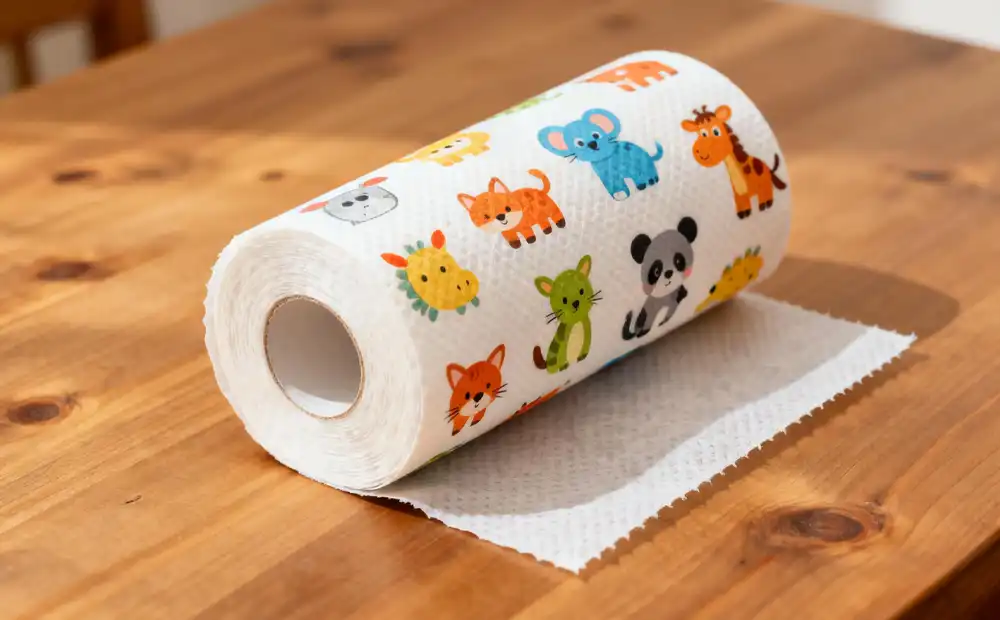
1. Outstanding Environmental Advantages: Cut VOC Emissions & Reduce Pollution
Conventional printing inks release large amounts of volatile organic compounds (VOCs) during application, which severely harms air quality and poses potential health threats to operators. Different from traditional products, non-woven water-based ink uses pure water as the primary solvent. Throughout production, printing and waste disposal processes, it generates no toxic or harmful gas. This eco-friendly innovation greatly lessens the industry’s environmental footprint and makes non-woven water-based ink the top choice for green printing solutions, supporting the long-term sustainable development of the entire printing industry.
2. Superior Printing Performance: High Color Vividness & Stable Adhesion
Formulated with exclusive raw materials and optimized formulas, non-woven water-based ink boasts remarkable printing performance. It delivers bright, vivid colors and powerful adhesion, spreading evenly on various non-woven substrates to present full color tone and clear layered details on finished prints. In addition, the ink is equipped with excellent abrasion resistance and water resistance. Printed products can maintain stable and attractive color effects even under complex and changeable usage environments, ensuring consistent printing quality for mass production.
3. Diversified Application Scenarios: Expand the Non-Woven Printing Market
With strong substrate compatibility, non-woven water-based ink works perfectly with multiple non-woven materials, including spunbonded non-woven fabric, needle-punched non-woven fabric and more. It has been widely applied in numerous fields such as promotional printed materials, home textiles, reusable handbags, outdoor billboards and daily disposable products. Driven by ongoing R&D and performance optimization, this type of ink keeps exploring new market segments and continuously expands the boundary of non-woven printing applications.
4. Continuous Technological Innovation: Optimize Performance for Future Demands
Technological iteration is the core driving force behind the development of non-woven water-based ink. With the popularization of nanotechnology and bio-based materials in the printing industry, the manufacturing techniques of water-based ink have been comprehensively upgraded. The overall stability, substrate adhesion and drying speed of the ink have been significantly improved. Meanwhile, new generation formulas are being developed to achieve wider color gamut, higher surface gloss and stronger UV resistance, fully preparing to satisfy the market’s rising requirements for high-definition and high-quality printed products in the future.
5. Effective Cost Reduction: Improve Economic Benefits for Printing Enterprises
Non-woven water-based ink adopts fully automated large-scale production lines, which effectively controls manufacturing costs at the source. Thanks to its eco-friendly properties, enterprises also spend less on waste treatment and emission management. While steadily improving printing quality, the ink helps manufacturers cut comprehensive operating costs and lift overall profit margins. With better cost control, printing companies are able to enhance market competitiveness and realize steady business growth amid fierce industry competition.
Conclusion
In general, the innovations of non-woven water-based ink are reflected in five core dimensions: prominent environmental performance, excellent printing quality, diversified application coverage, sustainable technological breakthroughs and rational cost control. These advantages not only accelerate the green transformation of the traditional printing industry, but also create substantial commercial value for upstream and downstream enterprises. As technology advances and market demands become more diversified, non-woven water-based ink will keep releasing its innovative potential and guide the global printing industry toward a greener, more efficient and more prosperous new era.