RU
RU EN
EN CN
CN


Study of water-soluble ink based on acrylic resins
Date: Aug 22 2023 From: Star Color Views:
With the global shift toward sustainable manufacturing and stricter environmental regulations, water-soluble inks based on acrylic resins are rapidly gaining traction as a viable alternative to solvent-based systems. These inks combine low VOC emissions, excellent print performance, and strong substrate compatibility, making them ideal for modern packaging and industrial printing applications.
This article provides a deeper technical analysis of acrylic resin-based water-soluble inks, including formulation design, key performance indicators, and real-world industrial applications.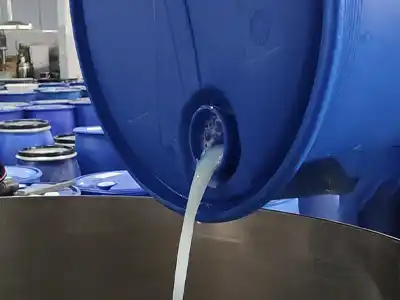
1. Acrylic Resins: Core Material Properties
Acrylic resins are synthetic polymers derived from acrylic acid, methacrylic acid, and their esters. Their molecular structure can be engineered to achieve specific ink properties.
- Solid content: Typically 30%–50%
- Glass transition temperature (Tg): -20°C to 120°C (adjustable)
- Particle size (emulsion): 50–300 nm
- pH range: 7.5–9.5 (alkaline stabilized)
These parameters directly influence ink viscosity, film formation, adhesion, and drying speed.
2. Formulation Design of Water-Soluble Acrylic Ink
2.1 Typical Formulation Structure
| Component | Typical Ratio (%) | Function |
|---|---|---|
| Acrylic Resin | 30–45% | Binder, film formation |
| Pigments | 10–20% | Color strength |
| Water | 25–40% | Solvent |
| Additives | 2–8% | Wetting, defoaming, leveling |
| Co-solvent (optional) | 2–5% | Improve drying and flow |
2.2 Key Optimization Strategies
- Use self-crosslinking acrylic emulsions to improve water resistance
- Optimize particle size distribution for better film uniformity
- Adjust Tg to balance flexibility and hardness
- Incorporate high-performance dispersants to stabilize pigments
3. Performance Evaluation (With Industry Data)
3.1 Physical & Chemical Properties
| Property | Typical Value | Test Method |
|---|---|---|
| Viscosity | 15–40 s (DIN cup #4) | ISO 2431 |
| Drying Time | 30–90 seconds | Hot air drying |
| Adhesion (BOPP) | 4B–5B | ASTM D3359 |
| Rub Resistance | >200 cycles | ASTM D5264 |
| Gloss | 60–85 GU | ISO 2813 |
3.2 Environmental Performance
- VOC content: < 5% (vs. 30–60% in solvent inks)
- Carbon emission reduction: up to 40% lower lifecycle emissions
- Heavy metals: compliant with RoHS & REACH
These figures demonstrate the strong environmental advantage of water-soluble acrylic inks.
4. Printability & Process Compatibility
Acrylic-based water-soluble inks are compatible with multiple printing technologies:
- Flexographic printing: High-speed packaging lines (>150 m/min)
- Gravure printing: Fine image reproduction
- Inkjet systems: Requires low viscosity (<10 mPa·s)
Common Print Challenges & Solutions
| Problem | Cause | Solution |
|---|---|---|
| Poor adhesion | Low surface energy | Corona treatment >38 dyn/cm |
| Foaming | High-speed mixing | Add defoamers |
| Slow drying | High humidity | Increase hot air flow |
| Color inconsistency | Poor dispersion | Use high-efficiency dispersants |
5. Industrial Applications
Water-soluble acrylic inks are widely used in:
- Flexible packaging: Food wrappers, BOPP films
- Label printing: High-speed flexo labels
- Paper & carton: Corrugated packaging
- Textile & nonwoven: Decorative and functional printing
In food packaging, these inks are particularly valuable due to their low odor, non-toxic composition, and compliance with safety standards.
6. Market Trends & Growth Data
The global water-based ink market is experiencing steady growth:
- Market size: Expected to exceed $25 billion by 2028
- CAGR: 5%–7% annually
- Packaging segment share: >60%
Asia-Pacific remains the fastest-growing region due to rapid expansion in flexible packaging and e-commerce industries.
7. Regulatory & Sustainability Compliance
Acrylic water-soluble inks are designed to meet international standards:
- REACH (EU chemical regulation)
- RoHS (restriction of hazardous substances)
- FDA (food contact compliance, when applicable)
These certifications are critical for export-oriented packaging manufacturers.
8. Future Development Directions
- Development of bio-based acrylic resins
- Improved heat resistance and chemical resistance
- Integration with digital printing technologies
- Enhanced recyclability compatibility
The next generation of water-soluble inks will focus on both performance and sustainability.
9. Conclusion
Acrylic resin-based water-soluble inks represent a major advancement in sustainable printing technology. By combining low environmental impact, high performance, and broad applicability, they are becoming the preferred choice for modern printing industries.
As regulations tighten and market demand for eco-friendly solutions grows, companies that adopt advanced water-based ink technologies will gain a significant competitive advantage.
FAQ: Acrylic Water-Soluble Ink
1. What makes acrylic resin suitable for water-based ink?
Acrylic resins offer excellent film formation, adhesion, and chemical resistance, making them ideal binders for water-based systems.
2. Are water-soluble inks durable?
Yes, modern formulations provide strong adhesion, rub resistance, and water resistance when properly cured.
3. Can these inks replace solvent-based inks?
In most packaging and label applications, water-based inks can fully replace solvent-based inks with proper process optimization.
4. What is the main limitation?
Drying speed can be slower in high humidity environments, requiring optimized drying systems.
5. Are they suitable for plastic substrates?
Yes, especially when combined with surface treatment like corona or primers.