RU
RU EN
EN CN
CN


Development and application of water-based BOPP plastic ink from the perspective of circular economy
Date: Feb 23 2024 From: Star Color Views:
As global environmental challenges intensify, the circular economy has become a key driver of sustainable industrial transformation. The printing industry, traditionally associated with high emissions and pollution, is under increasing pressure to adopt greener technologies.
Water-based BOPP plastic ink is emerging as a core solution. With low VOC emissions, non-toxic composition, and strong recyclability, it plays a crucial role in enabling sustainable packaging and eco-friendly printing practices.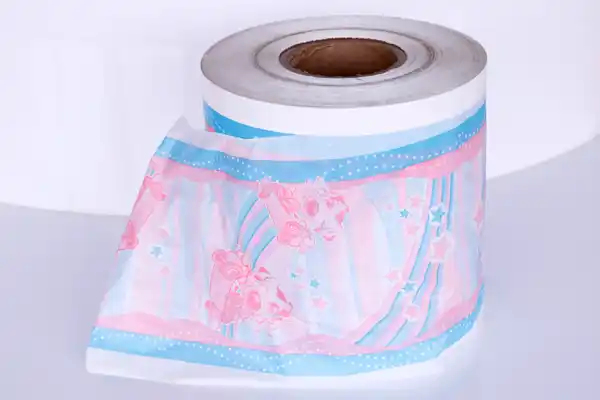
1. What is Water-Based BOPP Ink?
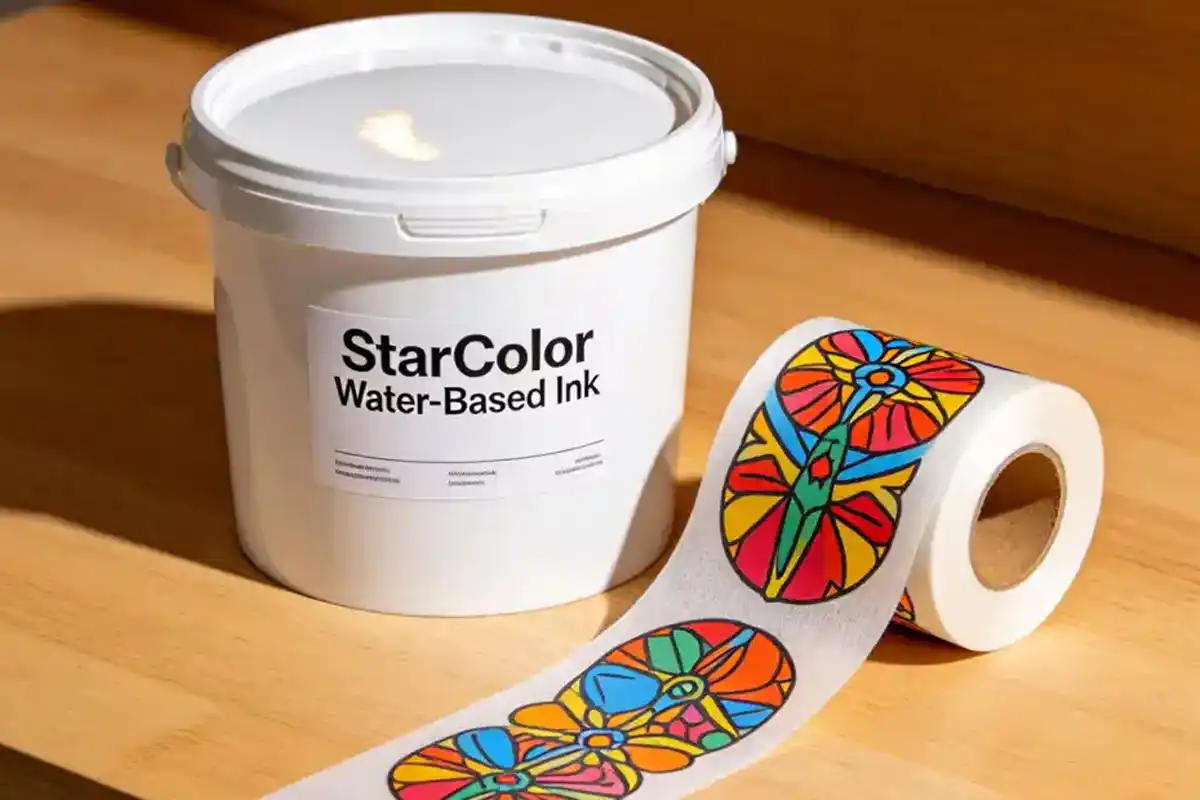
Water-based BOPP (Biaxially Oriented Polypropylene) ink is a type of environmentally friendly printing ink designed specifically for plastic film substrates. It uses water as the primary solvent instead of harmful organic chemicals.
Compared with solvent-based inks, it offers:
- Lower environmental impact
- Improved workplace safety
- Compliance with global environmental regulations
2. Development Trends of Water-Based BOPP Ink
2.1 Continuous Technological Innovation
Modern water-based BOPP inks are evolving rapidly. Key improvements include:
- Enhanced adhesion on non-porous plastic surfaces
- Improved abrasion and scratch resistance
- Higher color strength and print clarity
These advancements make water-based inks increasingly competitive with traditional solvent-based alternatives.
2.2 Stronger Environmental Performance
Environmental regulations worldwide are becoming stricter. As a result, manufacturers are focusing on:
- Ultra-low VOC formulations
- Heavy metal-free pigments
- Non-toxic and food-safe components
This aligns well with sustainability goals in industries like food and pharmaceutical packaging.
2.3 Expanding Application Fields
Originally used in packaging and label printing, water-based BOPP ink is now expanding into:
- Flexible packaging
- Decorative printing
- Non-woven and textile applications
The versatility of these inks is driving broader adoption across industries.
3. Advantages from a Circular Economy Perspective
3.1 Resource Efficiency
Water-based inks rely primarily on water, a renewable and abundant resource. This significantly reduces dependence on petroleum-based solvents and lowers production costs.
3.2 Reduced Environmental Pollution
With minimal VOC emissions, water-based BOPP inks help:
- Reduce air pollution
- Improve workplace safety
- Minimize ecological damage
3.3 Improved Recyclability
In a circular economy, recyclability is critical. Water-based inks:
- Facilitate easier de-inking during recycling
- Reduce contamination in plastic recycling streams
- Support closed-loop material reuse systems
3.4 Driving Industry Upgrade
The adoption of eco-friendly inks encourages printing companies to:
- Upgrade equipment and processes
- Improve production efficiency
- Enhance product quality
This accelerates the transition toward a greener printing ecosystem.
4. Current Applications and Market Outlook
Water-based BOPP inks are already widely used in:
- Flexible packaging printing
- Label printing
- Food-grade packaging
Looking ahead, market demand is expected to grow due to:
- Stricter environmental regulations
- Rising consumer demand for sustainable packaging
- Corporate ESG commitments
Future developments will focus on improving:
- Print performance on challenging substrates
- Drying speed and production efficiency
- Compatibility with high-speed printing technologies
5. Key Strategies for Industry Development
5.1 Strengthen R&D Investment
Continuous innovation is essential to enhance performance and expand application areas.
5.2 Promote Market Adoption
Industries such as food and pharmaceutical packaging should prioritize water-based inks to meet safety and environmental standards.
5.3 Establish Recycling Systems
Develop efficient recycling infrastructure for printed materials to enable true circularity.
5.4 Policy Support
Governments can accelerate adoption through:
- Tax incentives
- Environmental regulations
- Subsidies for green technologies
5.5 Industry Collaboration
Collaboration between ink manufacturers, printers, and brand owners is essential for building a sustainable value chain.
6. Conclusion
From a circular economy perspective, water-based BOPP plastic ink represents a critical step toward sustainable printing. It not only reduces environmental impact but also enhances recyclability and resource efficiency.
As technology advances and environmental awareness continues to grow, water-based inks will play an increasingly important role in shaping the future of the printing and packaging industry.
FAQ: Water-Based BOPP Ink
1. Is water-based BOPP ink suitable for food packaging?
Yes, many formulations are designed to meet food safety standards, making them ideal for food-grade packaging applications.
2. How does water-based ink compare to solvent-based ink?
Water-based ink has lower VOC emissions, is safer for workers, and is more environmentally friendly, though it may require optimized drying systems.
3. Can water-based ink be used on all plastic films?
It works best on treated BOPP films. Surface treatment like corona treatment is often required for optimal adhesion.
4. Does water-based ink affect recycling?
No, it generally improves recyclability by reducing contamination and simplifying de-inking processes.
5. What printing methods are compatible?
Water-based BOPP inks are commonly used in flexographic and gravure printing.