Driven by the global transition toward eco-friendly printing, water-based ink has been widely adopted for eco-friendly shopping bags and non-woven sacks thanks to its low VOC emission, non-toxic composition and superior regulatory compliance. Nevertheless, compared with conventional solvent-based ink, water-based ink still suffers from common defects such as color fading, whitening and color shift after printing on non-woven substrates.
Combined with film-forming mechanism and practical test data on non-woven fabrics, this paper proposes targeted technical optimization schemes and practical application specifications.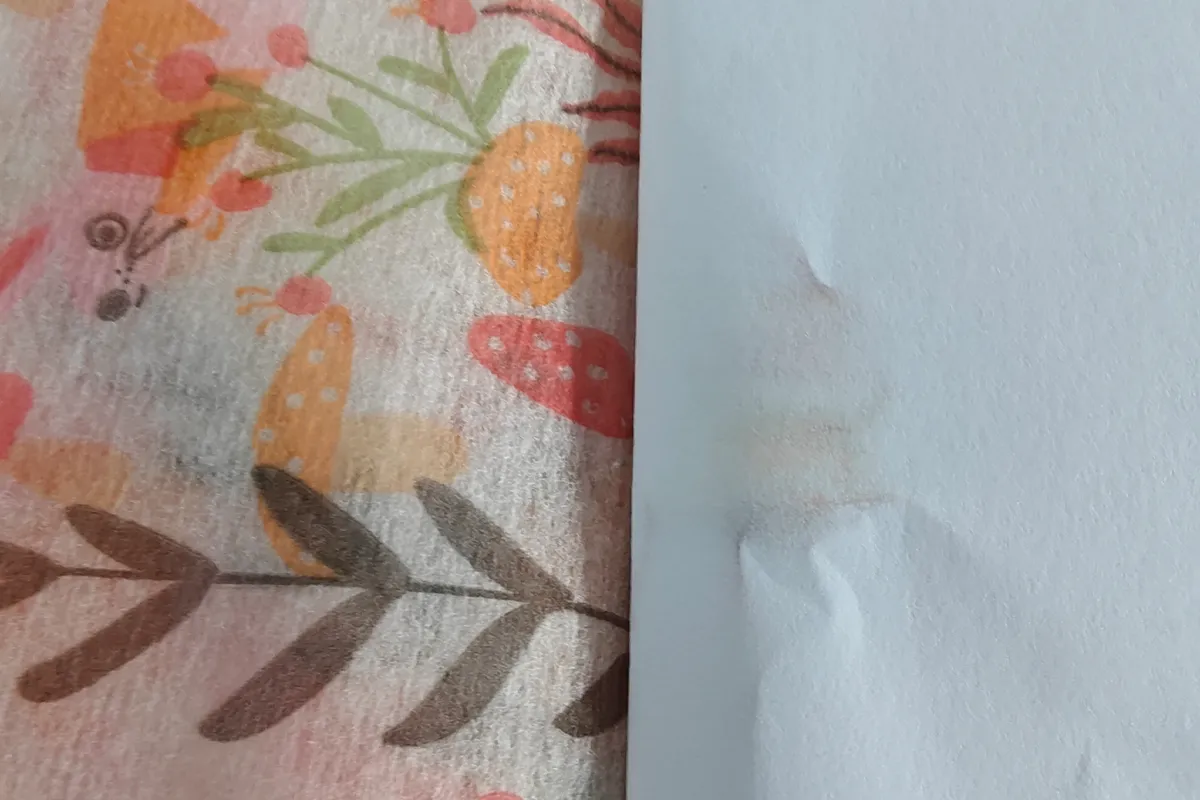
1. General Test Standards
Most non-woven substrates consist of non-polar PP, PE and polyester fibers featuring dense surface and poor water absorption. Accordingly, ink adhesion and film stability are inferior to those on paper substrates, which brings stricter requirements on comprehensive resistance performance of water-based ink. Widely accepted industrial test specifications are listed below:
- Water Resistance: No ink peeling, color bleeding or substrate whitening after 2-hour immersion in 40℃ warm water; food-grade and washable grades can withstand long-term room-temperature water soaking and gentle wiping.
- Abrasion Resistance: Tested in accordance with ISO 105-X12 textile rubbing standard under 9kPa load, color difference ΔE<2 after over 50 cycles of dry & wet rubbing; high-end modified formulas remain intact without discoloration after more than 600 rubbing cycles.
- Weather Resistance: Evaluated via ISO 4892-2 Xenon lamp aging test, color difference ΔE<3 after 100-hour aging; dedicated outdoor weather-resistant ink keeps ΔE≤1.5 after 1000-hour UV exposure without yellowing, chalking or film detachment.
2. Research on Three Core Resistance Properties of Non-woven Water-based Ink
2.1 Water Resistance Research
The poor water resistance of water-based ink originates from the inherent property of waterborne resin: cured film allows water molecule penetration, and residual hydrophilic groups tend to swell upon water absorption. Conventional non-woven water-based ink forms loose film after drying with abundant residual hydrophilic additives and uncrosslinked groups, which easily leads to film whitening, pattern bleeding and massive ink detachment under humid, rainy or washing conditions.
Formulation trials and practical verification identify three decisive factors affecting water resistance:
- Resin selection: Ordinary acrylic resin delivers poor water resistance; modified polyurethane significantly improves film compactness to block water penetration effectively.
- Crosslinking degree: Fully crosslinked cured film contains no free hydrophilic groups for remarkable water resistance; incomplete drying & curing is the primary cause of water failure.
- Additive proportion: Excessive wetting agent and leveling agent remain on film surface and weaken overall moisture-proof performance.
Test data: Non-woven ink formulated with self-crosslinking hybrid resin keeps complete pattern without peeling after 4-hour soaking in 40℃ warm water; while common acrylic-based ink generates slight bleeding after 30 minutes and fully whitens & peels off after 2 hours.
2.2 Abrasion Resistance Research
Non-woven printed products are frequently subjected to repeated friction: abrasion from daily handling of shopping bags, wearing friction of medical textiles, wiping of home decoration fabrics and stacking friction during logistics. Insufficient abrasion resistance causes surface whitening, powder falling and base exposure, severely damaging finished appearance and product quality.
Abrasion performance is mainly determined by film hardness, flexibility and surface lubricity. Traditional water-based ink features soft film and high friction coefficient, prone to wear under dry & wet rubbing. Adding 3%~5% micron-sized polyethylene wax reduces ink friction coefficient from 0.6 to 0.3 and greatly enhances scratch resistance, which is the mainstream industrial optimization method.
Contrast test result: Ordinary non-woven water-based ink shows obvious color fading after only 20 rubbing cycles; modified anti-abrasion ink passes standard 50-cycle test, and premium formulas survive over 600 repeated scratches, perfectly fitting rigorous applications such as disposable diapers and reusable eco bags.
2.3 Weather Resistance Research
Outdoor non-woven banners, tents, sun-proof sacks and courtyard decorative fabrics are constantly exposed to sunlight, high temperature and rainfall. UV radiation, temperature fluctuation and rain erosion accelerate ink aging, resulting in fading, yellowing, chalking and film cracking & peeling. Weather resistance serves as the critical index to distinguish regular ink and high-end outdoor-grade ink.
Aging mechanism: Ultraviolet ray breaks pigment molecular structure and resin macromolecular chains, triggering pigment decomposition & fading as well as resin chalking. Standard non-modified non-woven water-based ink suffers obvious color degradation after 1~3 months of outdoor exposure without weather stabilizer supplement.
Compound addition of nano titanium dioxide, nano-silver UV absorber and light stabilizer effectively blocks UV damage and locks color stability of pigments. Meanwhile high-solid low-viscosity formulation increases film thickness and compactness against rain wash and thermal aging.
Xenon lamp aging test: Regular ink has ΔE>5 with severe fading after 100h aging; modified weather-resistant ink achieves ΔE<3 after 100h, and premium long-lasting grade keeps ΔE≤1.5 after 1000h UV aging without yellowing, chalking or detachment for long-term outdoor service.
3. Key Technical Optimization Solutions for Three Core Properties
3.1 Optimization for Water Resistance
Replace pure acrylic resin with acrylic-polyurethane hybrid self-crosslinking resin to form dense 3D crosslinked network and seal hydrophilic groups thoroughly. Combine low-temperature drying and sufficient maturation to boost crosslinking rate; meanwhile precisely control dosage of wetting and leveling additives. This dual optimization from formula and process improves moisture resistance for high-humidity, washing and rainy working conditions.
3.2 Optimization for Abrasion Resistance
Add fixed proportion of micron polyethylene wax powder to reduce surface friction coefficient; adjust core-shell resin hardness-flexibility ratio to balance film property, avoiding both brittle cracking and blocking contamination, hence upgrading dry & wet rubbing performance for frequently-used products with cyclic friction.
3.3 Optimization for Weather Resistance
Select weather-stable organic & inorganic pigments to prevent photo-decomposition; compound nano UV absorber and light stabilizer to build dual anti-aging system and protect resin & pigment from UV destruction. The solution eliminates outdoor fading, yellowing and chalking and extends service life of outdoor printed non-woven products.
4. Product Selection Standard Based on Different Application Scenarios
| Application Scenario | Core Performance Requirement | Suitable Ink Grade | Qualified Standard |
|---|---|---|---|
| General shopping bags & packaging non-woven | Basic water resistance & mild abrasion resistance | General-purpose water-based ink | No peeling after 2h warm water soaking, minor color shift after 50 rubbing cycles |
| Medical & infant non-woven products | High water resistance, high abrasion resistance & low migration safety | Medical-grade modified water-based ink | Resist regular washing & repeated friction, no residual or ink detachment |
| Home textile & decorative fabrics | High abrasion resistance, washable & superior color fastness | Special anti-abrasion ink for textiles | No fading after 600 rubbing cycles, withstand daily washing & wiping |
| Outdoor banners, tents & sun-proof fabrics | Superior weather resistance, waterproof & anti-UV | Custom outdoor weather-resistant ink | ΔE≤1.5 after 1000h Xenon aging, no long-term outdoor fading |