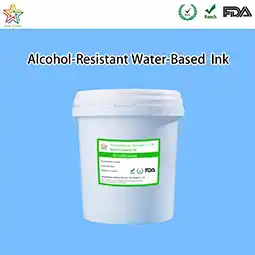
Alcohol-Resistant Water-Based Ink
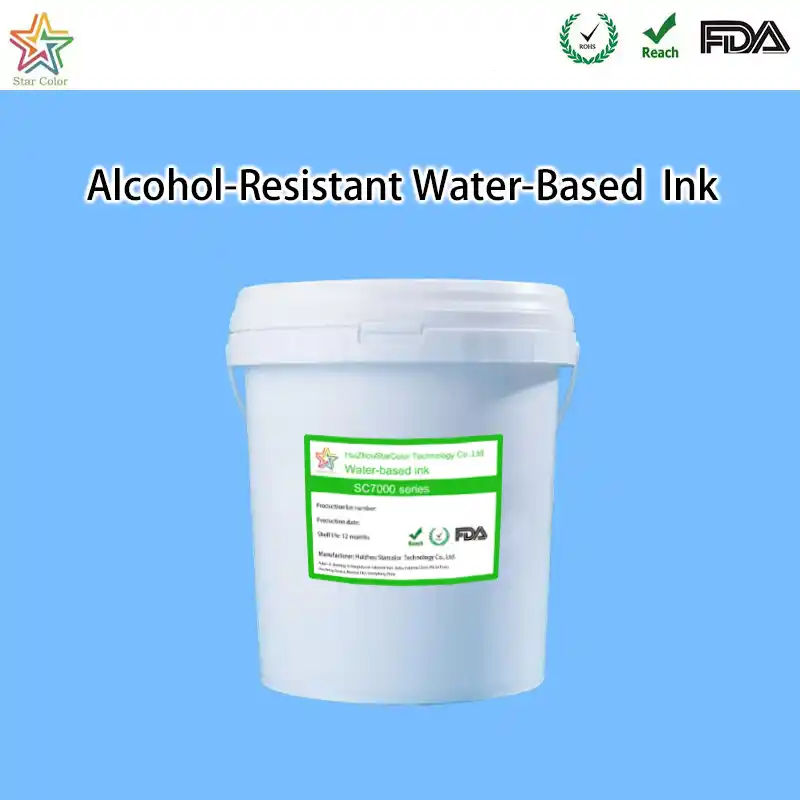
W001 Alcohol-Resistant Water-Based Ink is an eco-friendly and high-performance ink designed. It offers strong adhesion, excellent resistance to alcohol, and complies with food contact safety standards.
Ink Type
Water-Based Ink
Printing Method
Flexographic Printing
VOC Content
Under 1%
Test Report
FDA,ROHS,REACH SVHC 253
Solid Content
30%--40%
Printing Speed
150-400m / min
Position:Home > Products > Flexo Inks
Product Introduction
W001 Alcohol-Resistant Water-Based White Ink is an eco-friendly and high-performance ink designed for plastic substrates. It offers strong adhesion, excellent resistance to alcohol, and complies with food contact safety standards. Ideal for personal care, cosmetics, pharmaceutical, and industrial packaging applications.
Technical Specifications
| Parameter | Value / Description |
|---|---|
| Appearance | Bright white ink |
| Alcohol Resistance | Excellent (no fading or peeling after soaking) |
| Viscosity | 18″ ± 8 (Rigosha 4# cup) |
| pH Level | 7.5 – 9.0 (@25°C) |
| Gloss (60°) | 40% – 60% |
| Solids Content | Approx. 30% – 40% |
| Drying Time | Fully dry within 24 hours (varies by substrate) |
| Printing Speed | Up to 150–400 m/min |
| Printing Method | Flexographic printing |
| Thinner | Water-based diluent or pH adjusting solution |
| Cleaning | Strong cleaning agent for anilox roller and plate |
| Storage | Cool, sealed, avoid freezing |
| Shelf Life | 12 months |
Key Features:
-
Alcohol Resistance – Maintains color and adhesion even after alcohol soaking
-
Strong Adhesion – Excellent bonding on PET, PVC, PP and other plastic films
-
Eco-Friendly – Low VOC, water-based formulation, recyclable and safe
-
Food-Safe – Compliant with FDA, EU regulations for food contact packaging
-
Fast Drying – Suited for high-speed flexographic printing (150–400 m/min)
-
Durability – Resistant to abrasion, oil, water, and chemicals
-
Vivid White – Bright white color with high opacity and long-term stability
-
Printing Compatibility – Suitable for flexo and other water-based printing systems
Common Applications:
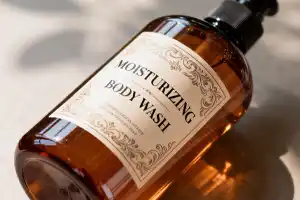
Personal Care Packaging
– Shampoo & conditioner bottles
– Body wash and lotion labels
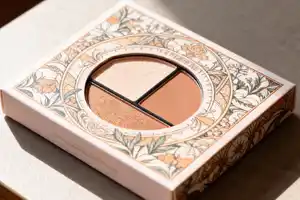
Cosmetic Packaging
– Cosmetic tubes and containers
– Printed carton boxes
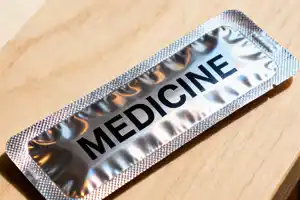
Pharmaceutical Packaging
– Medicine sachets & blister packs
– Aluminum foil laminates
Industrial Packaging
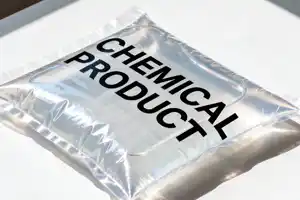
– Chemical product pouches
– Heavy-duty plastic film bags
Logistics & Labeling
– Transport and anti-counterfeit labels
Electronics Packaging
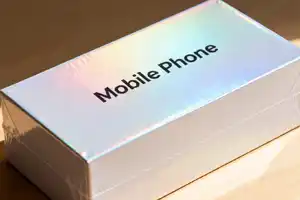
– Mobile phone & accessory boxes
Usage & Handling Tips
Before printing, ensure the substrate surface is clean and corona-treated (if required) to achieve optimal adhesion.
Maintain suitable workshop temperature and humidity for consistent performance.
Stir ink thoroughly before use, and clean printing components regularly with the recommended cleaning solution.
FAQs
Q: Will the ink fade or peel after alcohol contact?
A: No. W001 offers excellent resistance to alcohol and solvents, making it ideal for personal care and pharmaceutical packaging.
Q: What substrates can this ink be used on?
A: It works on PET, PP, PVC, and other treated plastic films.
Q: Is this ink suitable for food packaging?
A: Yes, it complies with international food safety regulations like FDA and EU standards.
Q: Can it be used in high-speed printing environments?
A: Yes, it is optimized for flexographic presses running at speeds up to 200 m/min.
Contact Us
Our engineers are ready to help you optimize your ink viscosity, pH control, and adhesion for high-speed flexo presses. Tell us about your substrate, and we'll provide a tailored quote within 24 hours.


Phone/WhatsApp
+86 18011968332


Address
Huidong County, Huizhou City, Guangdong Province,China
Leave a Message to get a sample
Recommended products
Popular articles
- Water-Based Flexo Ink Formulation: 8 Components Explained
- Water-Based vs Oil-Based Ink: Differences & When to Use
- Water-Based Ink MSDS: A Complete Safety Guide
- Control of pH value in water-based ink
- Water-Based Flexo Ink: Composition, Properties & Uses
- Water-Based vs Solvent-Based Inks: A Comparative Analysis
- Understanding the Solid Content of Gravure Printing Ink
- Polyurethane vs Acrylic Water-Based Ink: Key Differences