RU
RU EN
EN CN
CN

1. Common Industry Doubt
In the production of flexographic printing on non-woven fabric, many manufacturers encounter the same problem: when UV flexo ink is printed on non-woven fabric, it often suffers from ink peeling, scraping off and falling off after rubbing. This raises a widespread question: Is UV flexo ink inherently poor in adhesion on non-woven materials?
In fact, poor adhesion and ink shedding are not caused by inherent defects in UV flexo ink itself. Most failures result from mismatched substrate characteristics, insufficient surface treatment, incorrect ink model, unreasonable curing conditions and improper printing processes. Once the root causes are clarified, the problem of ink peeling on non-woven fabric can be solved fundamentally.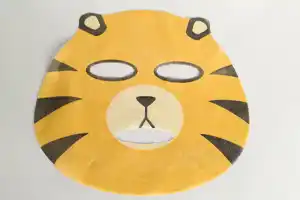
2. Why Operators Feel UV Flexo Ink Lacks Adhesion on Non-woven Fabric
1. Special structure of non-woven fabric
Most non-woven fabrics are made of interlaced PP, PET, viscose or polyester fibers. The surface is porous with loose fiber structure and low surface energy, belonging to difficult-to-bond materials. UV ink cures instantly to form a film, which easily stays only on the surface instead of penetrating into fiber gaps. It peels off easily after friction or bending, giving an intuitive impression of insufficient adhesion.
2. Non-polar and low surface energy of PP non-woven fabric
Mask non-woven fabric and sanitary PP non-woven fabric are hydrophobic and non-polar. Ordinary general UV flexo ink cannot wet and spread well on such surfaces, directly leading to weak adhesion.
3. Omission of corona and surface treatment
Many factories skip corona treatment or primer coating to save cost and working procedures. Printing directly on untreated non-woven fabric will result in poor adhesion even with high-quality UV flexo ink.
4. Wrong ink selection: using general ink instead of non-woven special ink
General UV flexo ink designed for paper lacks special modification for chemical fiber and PP fiber. It is not suitable for non-woven fabric by default, and poor adhesion is inevitable if used forcibly.
5. Mismatched UV curing energy
Insufficient UV lamp power, excessive machine speed or improper curing distance lead to incomplete curing. The surface seems dry while the bottom resin is not fully cross-linked, making the ink film brittle and easy to fall off. Over-curing also causes brittleness and peeling after rubbing.
6. Mismatched ink viscosity and anilox roller specification
Improper anilox roller line screen, too high or too low ink viscosity will create an overly thick ink layer. The internal cohesion of UV ink film declines, resulting in whole-layer peeling.
3. Core Reasons for Poor UV Flexo Ink Adhesion on Non-woven Fabric
3.1 Substrate Reasons
- PP non-woven fabric: non-polar, low surface energy, hydrophobic and difficult to wet
- Loose and porous fiber structure prevents UV ink from penetrating and anchoring firmly
- Slip agents and plasticizers precipitated on the surface repel ink bonding
3.2 Ink Selection Reasons
Using ordinary paper-grade UV flexo ink without polyurethane modified adhesion resin, which cannot form molecular bonding with chemical fiber and PP fiber.
3.3 Surface Treatment Reasons
No corona treatment or corona value lower than 38 dyn leads to insufficient surface tension and poor ink wetting performance.
3.4 Curing Process Reasons
Insufficient LED-UV power, fast running speed and long curing distance cause incomplete curing; excessive curing makes ink film brittle.
3.5 Printing Process Reasons
Excessive ink layer from mismatched anilox roller, improper ink dilution and poor leveling; excessive flexo printing pressure collapses non-woven fiber structure and weakens bonding foundation.
4. Practical Solutions to Improve UV Flexo Ink Adhesion on Non-woven Fabric
1. Switch to special ink
Abandon general UV flexo ink and adopt special modified UV flexo ink for non-woven fabric, professionally formulated for PP, polyester and viscose materials with enhanced fiber adhesion resin.
2. Apply mandatory corona treatment
Treat non-woven fabric before printing, stabilize surface tension at 38~42 dyn to ensure ink wetting and anchoring into fiber gaps.
3. Use primer for difficult adhesion material
For hard-to-bond PP non-woven fabric, apply thin layer of special primer to greatly enhance ink adhesion without blocking the anilox roller or affecting printing quality.
4. Optimize UV curing parameters
Match LED-UV lamp power, adjust machine speed and curing distance to achieve complete curing without over-curing, keeping ink film flexible and tough.
5. Optimize flexographic process parameters
Select matched anilox roller to form thin and uniform ink layer; adjust printing pressure to avoid fiber collapse; control ink viscosity for good leveling performance.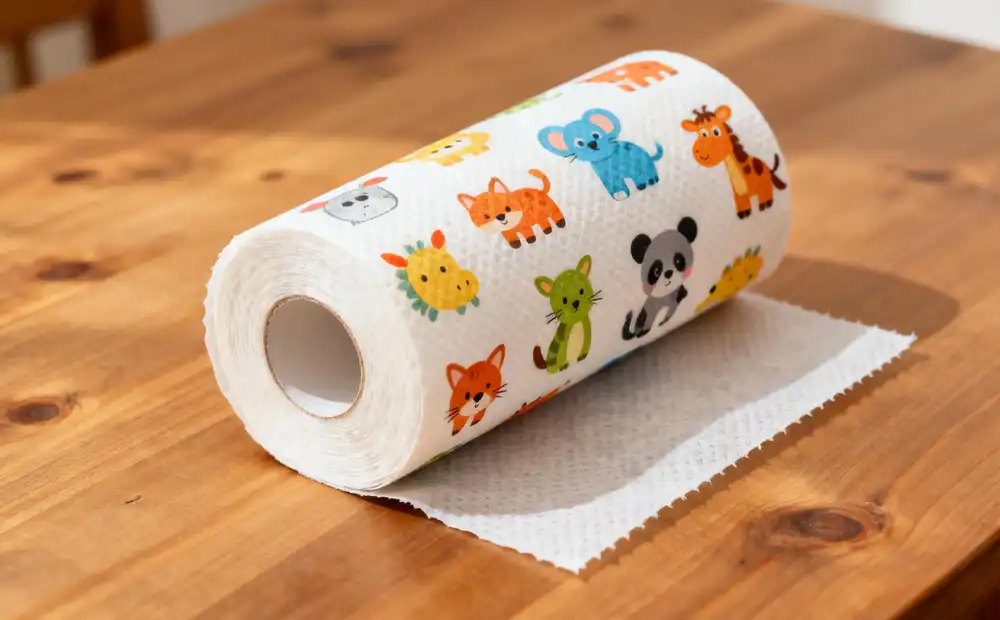
5. Conclusion
UV flexo ink has no inherent adhesion deficiency on non-woven fabric. Common problems such as ink peeling, scraping and flaking are mainly caused by untreated substrate, wrong ink model, mismatched curing and printing process.
By selecting professional non-woven dedicated UV flexo ink, cooperating with corona pretreatment, reasonable UV curing setting and optimized flexo process, it is fully achievable to obtain high adhesion, friction resistance and bending resistance on non-woven fabric. Meanwhile, it retains the advantages of UV ink: solvent-free, odorless, instant drying and environmental compliance, suitable for mask, sanitary material and packaging non-woven fabric high-end printing applications.