RU
RU EN
EN CN
CN


Flexographic water-based ink printing on corrugated cartons is prone to defects affected by paper quality, ink, equipment and environment. This article summarizes 5 frequent problems with causes and practical solutions to reduce waste and improve printing quality.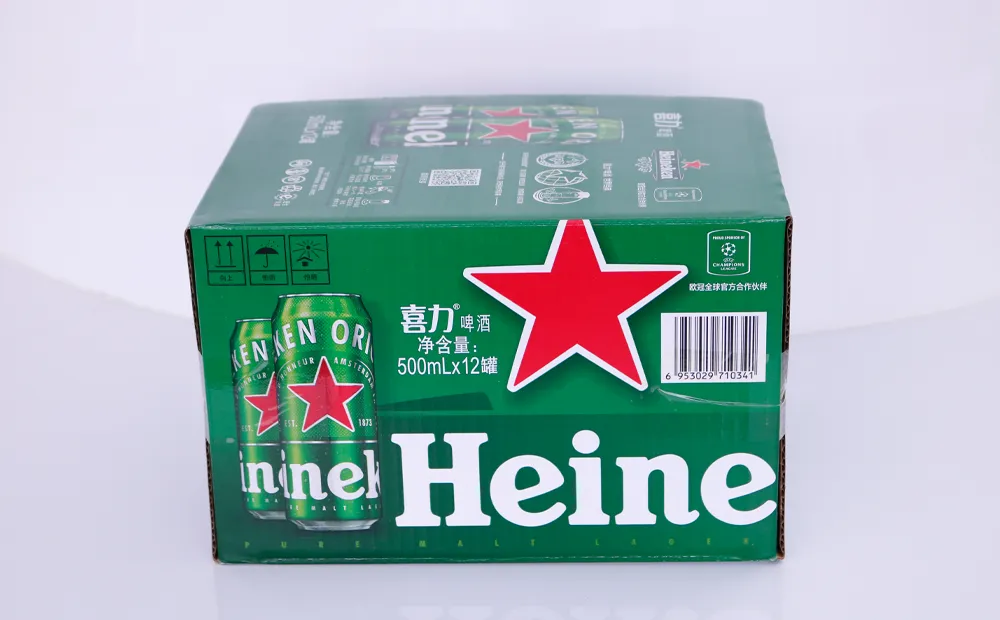
1. Poor Rub Resistance & Ink Fading
Phenomenon: Ink smudging or peeling after stacking and transportation, fails to meet GB/T 10335.4-2021 (rub resistance ≥ 50 cycles).
Causes: Ink resin < 25%, incomplete drying, paper moisture > 12%, lack of wear additives, humidity > 65%.
Solutions:
1. Use high-wear ink with 30%–35% resin content.
2. Set drying temperature 55–65°C, air volume 12–18m³/min, surface dry ≤ 3s, full dry ≤ 20s.
3. Control paper moisture 8%–12%, workshop humidity 45%–65%.
4. Add 3%–5% wear-resistant additive, mix 15–20 minutes.
5. Stack printed sheets face-up staggered, height ≤ 1.2m, fully dry before packing.
2. Blurry Images & Text
Phenomenon: Blurry edges, dot spread, overprint deviation ≥ 0.1mm (standard ≤ 0.05mm).
Causes: Ink viscosity < 20s, pressure > 0.3MPa, excess ink delivery, low paper surface strength, excessive speed.
Solutions:
1. Adjust ink viscosity to 22–28s, add 0.5%–1.2% thickener, water dilution ≤ 15%.
2. Maintain printing pressure 0.15–0.25MPa, plate gap 0.1–0.15mm.
3. Use 200-mesh anilox for fine art, 150-mesh for solid areas; replace if wear > 0.02mm.
4. Choose paper ≥ 120g/㎡, surface strength ≥ 1.5kN/m.
5. Set speed 50–80m/min, enhance drying at high speed.
3. Missing Printing & Uneven Solids
Phenomenon: Blank areas, ink gaps, uneven solids with uniformity deviation > 5%.
Causes: Excess ink bubbles, clogged plates, dusty paper, settled ink, low ink level.
Solutions:
1. Add 0.3%–0.8% defoamer, stir and rest before use.
2. Clean plates every 2 hours, wash if paused > 30 minutes.
3. Remove dust with air speed ≥15m/s, keep dust ≤ 0.3g/㎡.
4. Stir ink 5 minutes before use, re-stir if stored >72h, filter with 120 mesh.
5. Maintain ink level 5–8cm, pump pressure 0.1–0.15MPa.
4. Color Deviation & Light Shading
Phenomenon: Batch color difference ΔE ≥ 2.5 (standard ≤ 2.0).
Causes: Over-dilution, mixed ink batches, overheating, worn anilox roller, unstable environment.
Solutions:
1. Water addition ≤15% (light color ≤10%), control ΔE ≤1.0 with color meter.
2. Use same batch ink for one order, test before replenishing.
3. Dry at 55–65°C, time 15–20s, avoid over 70°C.
4. Check anilox every 80–100h, replace if delivery drops >15%.
5. Keep temperature 20–28°C, humidity 45%–65%.
5. Slow Drying & Blocking
Phenomenon: Sheet sticking, smearing, surface dry >5s, full dry >30s.
Causes: Low temperature, high humidity, excess retarder, thick ink, insufficient air volume.
Solutions:
1. Heat to 20–28°C, dehumidify to 45%–65%.
2. Retarder ≤1%, add 2%–4% accelerator.
3. Control ink thickness 8–15μm, use thin-layer printing.
4. Set drying air 12–18m³/min, nozzle distance 15–20cm.
5. Maintain speed 50–80m/min, boost drying at low speed.
FAQ
1. Best moisture and environment for printing?
Paper moisture 8%–12%, temperature 20–28°C, humidity 45%–65%.
2. Low-cost ways to improve rub resistance?
Add 3%–5% wear additive; dry at 60–65°C for 20s.
3. How to fix batch color difference?
Stop over-dilution; add original ink; check anilox delivery; use standard color samples.
4. Emergency solution for rainy days?
Dehumidify and heat; add 3%–4% accelerator; stack staggered, height ≤1m.
5. Troubleshooting order for missing printing?
Clean paper dust → check ink bubbles and viscosity → verify ink level and anilox.